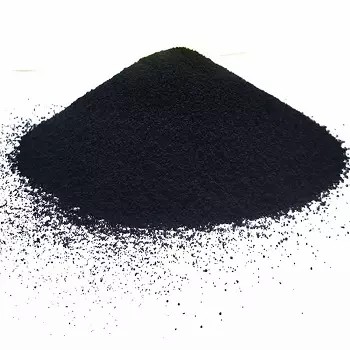
Carbon black is a fine, black powder used primarily as a reinforcing filler in tires (about 70% of demand), as well as in inks, plastics, and batteries. It is produced through the incomplete combustion or thermal decomposition of heavy hydrocarbons under controlled conditions. The two main feedstocks—petroleum-based oils (e.g., fluid catalytic cracking tar, ethylene cracking residue, or heavy fuel oils) and coal tar (a byproduct of coal coking)—yield similar end products but differ in production processes, costs, environmental impacts, and regional usage. Petroleum-based carbon black dominates globally (over 90% of production), while coal tar is more common in coal-heavy regions like China.
Recent news and developments (as of December 2025) highlight shifts toward sustainability, with innovations in recovered carbon black (rCB) from tire pyrolysis challenging both traditional sources. Market growth is projected at 7.5% CAGR through 2030, driven by tire demand, but environmental regulations are pushing for greener alternatives.
Aspect | Petroleum-Based Carbon Black | Coal Tar-Based Carbon Black |
Primary Feedstocks | Heavy petroleum oils (e.g., FCC tar, ethylene cracker residue, slurry oil). | Distillates from coal coking (bituminous coal tar). |
Production Method | Oil furnace process: Hydrocarbons injected into high-temperature flames (1,200–1,500°C) for partial combustion. Yields finer, more uniform particles (10–100 nm). | Thermal pyrolysis or chemical looping: Coal tar heated (400–800°C) in inert or oxygen-limited environments. Often results in larger aggregates. |
Market Share | ~90% globally; dominant in U.S., Europe, and tire exports. | ~10% globally; ~33% in China (via Carbon Black Oil/Coal Tar pathway). |
Cost & Pricing | Lower feedstock costs in oil-rich regions; global index ~$1,000–1,200/MT (2025). Higher in China due to import reliance. | Higher (~20–30% more than petroleum in China); tied to coal prices, volatile with coking output. |
Environmental Impact | High CO2 emissions from oil refining; but easier to control particulates. Stricter regs in EU/U.S. push for bio-based alternatives. | Higher PAH (polycyclic aromatic hydrocarbons) emissions; linked to coal pollution. Pyrolysis innovations reduce waste but increase energy use. |
Quality & Applications | Superior reinforcement for synthetic rubber tires; consistent particle size for high-performance uses. | Good for general rubber; research shows enhanced yields with catalysts (e.g., Fe2O3 oxygen carriers). Used in anodes and pitches. |
We Value Your Privacy.
Our website uses cookies to improve your experience. By clicking "Accept All Cookies", you agree to the storing of cookies on your device to enhance site navigation, analyze site usage, and assist in our marketing efforts.

 English
 日本語
日本語 한국어
한국어 français
 Deutsch
 Español
 italiano
 русский
 português
 العربية
 tiếng việt