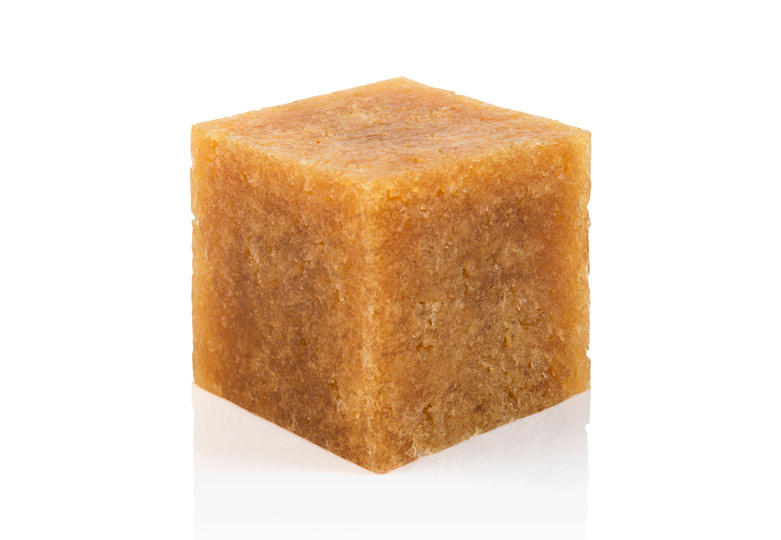
To improve sustainability, Continental said it increasingly uses silica obtained from rice husks instead of quartz sand.
Continental said it continues to expand its use of renewable and recycled materials in tire production. In 2024, these materials made up 26% of production, and the company expects that figure to rise by two to three percentage points in 2025. By 2030, Continental sustainable tire production is projected to exceed 40% while maintaining high standards of safety and performance
Carbon black and silica play a central role in this shift, Continental said. Together with rubber, they make up a large proportion of the raw materials used in tires. As fillers, they enhance durability and directly affect grip and braking performance. Continental said it now sources these materials from renewable and recycled streams to reduce resource consumption.
“Innovation and sustainability go hand in hand at Continental. Using silica from the ashes of rice husks in our tires shows that we are breaking completely new ground – without compromising on safety, quality or performance,” said Jorge Almeida, head of Sustainability at Continental Tires.
To improve sustainability, Continental said it increasingly uses silica obtained from rice husks instead of quartz sand. Rice husks are an agricultural by-product from industries such as risotto rice production. Companies like Solvay in Italy process the husks into silica through more energy-efficient methods than conventional production. This supports the circular economy and creates a more sustainable value chain.
Silica has complemented carbon black as a filler for over 30 years and has been crucial in reducing tire braking distances by nearly 50%. When used in tread compounds, silica reduces rolling resistance, lowers energy consumption, and decreases CO₂ emissions.
Carbon black accounts for up to 20% of the total weight of a passenger car tire. It is essential for strength and durability. Continental said it now uses bio-based alternatives produced from organic oils such as tall oil, a by-product of the paper industry, instead of crude oil.
The company also relies on recycled carbon black from pyrolysis oil derived from end-of-life tires. Continental applies a mass balance approach, replacing a defined proportion of fossil raw materials with renewable or recycled oils and allocating them to the final product without changing production processes.
To expand recycling capabilities, Continental said it has partnered with Pyrum Innovations. This process extracts carbon black directly from end-of-life tires and prepares it for reuse in new tire production. Currently, Continental uses recovered carbon black in forklift tires. However, new processes are under development to apply it to passenger and commercial vehicle tires while meeting strict safety and performance standards.

We Value Your Privacy.
Our website uses cookies to improve your experience. By clicking "Accept All Cookies", you agree to the storing of cookies on your device to enhance site navigation, analyze site usage, and assist in our marketing efforts.

 English
 日本語
日本語 한국어
한국어 français
 Deutsch
 Español
 italiano
 русский
 português
 العربية
 tiếng việt