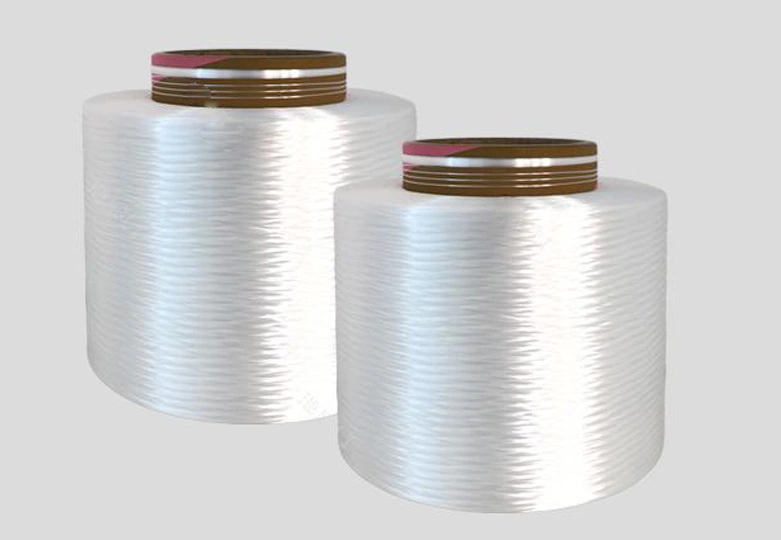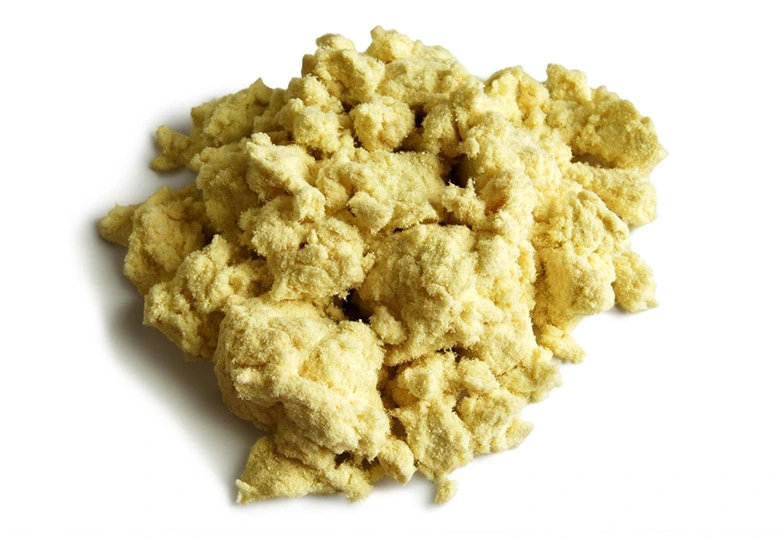
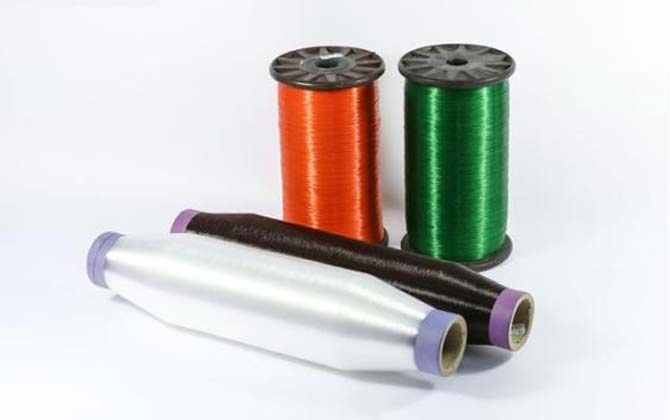
In recent years, bio-based synthetic fiber materials have gradually become a key component of the textile and materials sectors due to their environmental friendliness and sustainable development potential. Bio-based synthetic fibers are made from renewable biomass resources (such as corn and sugarcane) through biological and chemical processes. They primarily include polylactic acid (PLA), bio-based polyamide (Bio-PA), bio-based polyethylene terephthalate (Bio-PET), and bio-based elastane. PLA, the most representative bio-based synthetic fiber, is widely used in textiles, packaging, and medical textiles due to its excellent biodegradability. Bio-based polyamide, with its similar abrasion resistance and strength to traditional nylon, is commonly used in clothing and industrial textiles. Bio-based PET, primarily using plant-based ethylene glycol instead of traditional petrochemical-based ethylene glycol, is widely used in textiles and packaging.
According to the OECD, at least 20% of global petrochemical production (approximately $800 billion) will be replaced by bio-based products within the next 10 years. The current replacement rate is less than 5%, representing a market gap of nearly $600 billion. With rising environmental awareness and technological advancements, market demand for bio-based polymers continues to grow. According to European Plastics, global bio-based polymer production capacity reached 2.417 million tons in 2021, of which biodegradable and non-biodegradable polymers accounted for 1.553 million tons and 864,000 tons, respectively. Polylactic acid fiber production has seen particularly significant growth, reaching 280,000 tons in 2023, becoming the dominant force in the market and widely used in textiles, packaging, and as a substitute for single-use plastics. Meanwhile, production of bio-based polyamide and bio-based PET fibers has also increased significantly, reaching 80,000 tons and 170,000 tons in 2023, respectively. Demand is particularly strong in the high-performance textile and automotive interior markets. Although production declined in 2020 due to the global epidemic, the market resumed growth from 2021 and reached a record high in 2023.
Forecasts indicate that bio-based polymer production capacity will grow significantly over the next five years, with a diversified development trend. Packaging remains the largest application area for bio-based polymers, accounting for 47.9% of total production capacity, followed by daily necessities and textiles. As functional polymer production capacity increases, its application in market segments such as automotive and transportation, construction, and electrical and electronics will also continue to grow.
Production of bio-based synthetic fibers is primarily concentrated in the United States, China, and European countries. As a global pioneer in bio-based synthetic fiber technology, the United States produces a large amount of PLA fiber, with NatureWorks, in particular, holding a significant leadership position in this field. Between 2019 and 2023, US bio-based synthetic fiber production is projected to increase from 100,000 tons to 160,000 tons, driven by domestic demand for biodegradable packaging and sustainable textiles. China, on the other hand, has demonstrated strong production capacity for bio-based polyamide and polylactic acid fibers, with output increasing from 150,000 tons in 2019 to 230,000 tons in 2023, primarily for the domestic textile and packaging markets. European countries, particularly Germany and France, demonstrate strong competitiveness in the production of bio-based PET and polyamide fibers, with production increasing from 80,000 tons to 110,000 tons between 2019 and 2023. Consumption is primarily concentrated in high-end apparel and industrial applications. The main application areas for bio-based synthetic fibers include textiles, packaging, industrial, and medical applications. In the textile and apparel sector, bio-based synthetic fibers, owing to their environmental friendliness, comfort, and functionality, are widely used in sportswear, underwear, and eco-friendly fashion. In the packaging sector, polylactic acid (PLA) fibers are widely used in biodegradable packaging and disposable tableware. In the industrial sector, bio-based polyamide and bio-based PET fibers are used in automotive interiors, seat covers, and industrial filtration materials, meeting the demands for lightweighting and environmental friendliness. Furthermore, bio-based synthetic fibers show great potential in the medical field, particularly polylactic acid (PLA) fibers, which are used in the manufacture of medical textiles such as medical dressings and sutures. While some bio-based polymers have achieved large-scale production or commercial application, a large number of emerging materials remain in the R&D or pilot production stages. As shown in the figure below, the expected actual replacement rate for different types of bio-based polymers ranges from 20% to 100%. However, achieving this goal faces numerous challenges, including cost, capacity utilization, and technological maturity.

We Value Your Privacy.
Our website uses cookies to improve your experience. By clicking "Accept All Cookies", you agree to the storing of cookies on your device to enhance site navigation, analyze site usage, and assist in our marketing efforts.

 English
 日本語
日本語 한국어
한국어 français
 Deutsch
 Español
 italiano
 русский
 português
 العربية
 tiếng việt