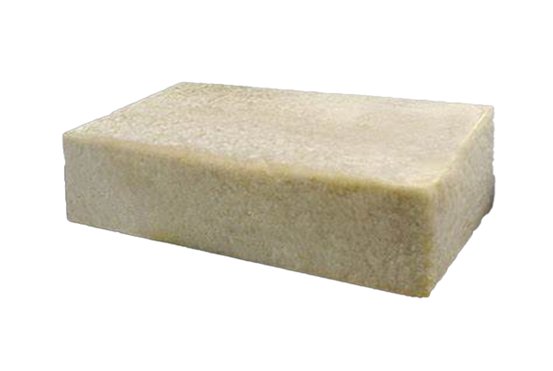
Isoprene Rubber prices in India, China, and France remained stable throughout the first half of July 2025, underpinned by a balance between upstream cost inflation and limited downstream demand.
In India,lsoprene rubber prices remained stable in the week of 4 July as seasonal demand weakened due to the monsoon. Limited activity from automotives, construction, and infrastructure led to very little procurement. As buyers anticipated possible price drops, they deferred their sentiment and procurement decisions that week. Reports from distributors indicated buyers purchased mostly for need. In the following week, prices increased by 0.5% as import prices from Russia and Japan increased. These import price increases were due to rising global crude prices, which caused a spike in feedstock naphtha prices. lsoprene rubber prices stabilized the next week, driven by balanced supply and demand conditions.
During the initial two weeks of July, lsoprene rubber prices in China remained stable. Some slight improvement in trading activity was observed; however, overall demand remained tepid. Support for lsoprene rubber prices was created by minor replenishment activities, stimulated by the recent China-US economic conversations, coupled with stable inventories at ports in China. Though the import costs from major suppliers such as Russia and the U.S. experienced increases largely due to crude costs and naphtha increases, which suppliers could not wholly absorb because of their bulky stockpiles.
Downstream support came from the growth in new energy vehicle sales and slight improvement of construction activity; however, there was an initial dip in semi-steel tire production at the beginning of July, which showcased the continued caution of most purchasers. Spot purchases continue to be few, as most manufacturers were focused on fulfilling contracts. Further, lsoprene rubber prices continued to remain stable in the next week.
In the meantime, in France, lsoprene rubber prices were stable in early July due to a consistent supply situation. Imports by major producing companies were still arriving without disruption, so inventory levels were unaffected. On the demand side, the automotive market presented mixed signals-while Tesla sales fell, Dacia and other manufacturers had good sales volumes. That said, in the week following the 11th of July, prices rose moderately by 0.4% due to increased import costs associated with delays from Germany caused by port congestion, and upstream cost inflation from increases in crude oil, causing a surge in naphtha prices. Automotive demand improved, with new passenger car registrations increasing by 36.78% month-on-month in June. The construction sector remained weak due to cost pressures from inputs and falling new orders. By mid-July, market conditions were broadly stable for
lsoprene rubber.
Overall, stable demand-supply dynamics and cautious downstream procurement helped maintain price stability for lsoprene rubber across these key markets despite upstream cost challenges.
We Value Your Privacy.
Our website uses cookies to improve your experience. By clicking "Accept All Cookies", you agree to the storing of cookies on your device to enhance site navigation, analyze site usage, and assist in our marketing efforts.

 English
 日本語
日本語 한국어
한국어 français
 Deutsch
 Español
 italiano
 русский
 português
 العربية
 tiếng việt