
Tire Basics and Manufacturing Process
1. What is a full-steel radial tire?
Answer: A pneumatic tire whose carcass cords are arranged at a 90° or near 90° angle to the crown center and are held together by a belt. A full-steel radial tire is a tire whose carcass, belt, and bead wrap are all made of steel cord.
2. Basic functions of a tire: Load performance, traction, braking, handling, stability, and ride comfort.
3. What are the basic raw materials used in a full-steel radial truck tire?
1) Rubber (natural rubber, synthetic rubber)
2) Compounding agent
3) Bead wire
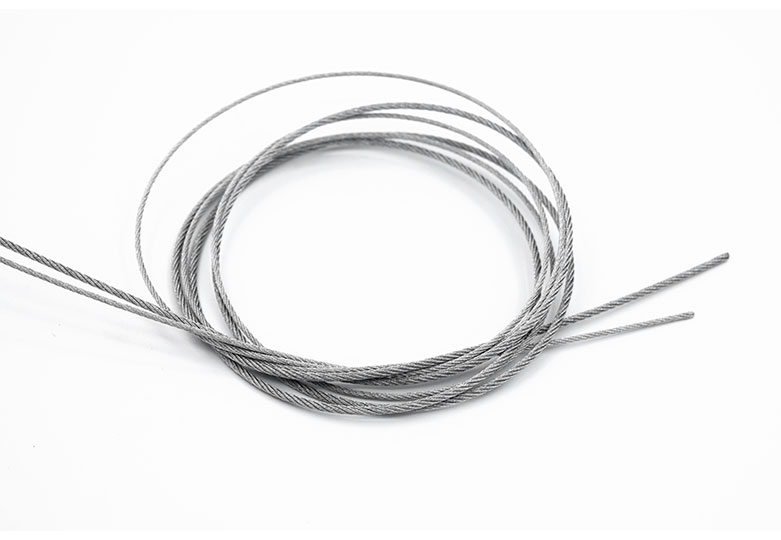
4) Steel cord
4. Names and functions of tire components:
Tread: Contacts the ground, provides driving and braking functions, etc.
Shoulder: Supports the tread and prevents slippage.
Sidewall: Protects the carcass and provides flex resistance, etc.
Bead: Securely attaches the tire to the rim.
Belt: Bears load, stabilizes the tire body, and provides tread rigidity.
Carcass: Bears some of the tire's stresses and stabilizes its dimensions.
Inner tube liner: Reduces friction between the inner tube and the tire carcass cord.
Tubeless inner liner: Mainly replaces the inner tube and provides pressure stabilization.
5. Tire Manufacturing Process:
1) Rubber Refining (mixing natural rubber, chemical agents, sulfur, etc.)
2) Semi-finished Product Processing (processing of semi-finished products such as the tread, sidewall, bead, and steel cord)
3) Molding, Vulcanization, and Inspection
6. Briefly describe the advantages of radial tires.
1) Good wear resistance;
2) Low rolling resistance;
3) Good traction and braking performance;
4) Excellent cornering ability;
5) Low noise;
6) Good comfort;
7) Low heat generation;
8) Good high-speed performance;
9) Good resistance to mechanical damage.
7. Structural characteristics of tube-type tires:
Answer: The inner tube of a tube-type tire is independent and acts as the tire's "bladder." Therefore, the connection between the tire and the rim is not very tight. Once the inner tube is punctured by a sharp object, air will suddenly escape from the junction of the tire bead and the rim, rendering the entire tire useless.
8. Structural characteristics of tubeless tires:
Answer: The inner surface of a tubeless tire is coated with a highly airtight sealant film. If a nail or other object penetrates and air escapes through the hole, the inner tube film immediately contracts to seal the hole. The film is integral to the tire, leaving no gaps for air to leak through. The tight fit between the tire opening and the rim prevents air leaks, giving the driver ample time to address the problem.
9. Tire Outer Diameter: This is the diameter of the tire when it is mounted on the corresponding rim and inflated to the specified pressure, when unloaded.
10. Tire Overall Width: This refers to the maximum width of the tire, including the sidewall lettering and tread.
11. Tire Sectional Width: This refers to the width of the tire minus the thickness of the lettering or tread.
12. Rim Diameter: This is the rim diameter of the wheel that the tire fits.
13. Tire Classification by Application: Automotive, Construction Machinery, Industrial, Agricultural, etc.
14. Tire Classification by Cord Type: All-steel radial tires, semi-steel radial tires, bias tires.
We Value Your Privacy.
Our website uses cookies to improve your experience. By clicking "Accept All Cookies", you agree to the storing of cookies on your device to enhance site navigation, analyze site usage, and assist in our marketing efforts.

 English
 日本語
日本語 한국어
한국어 français
 Deutsch
 Español
 italiano
 русский
 português
 العربية
 tiếng việt